
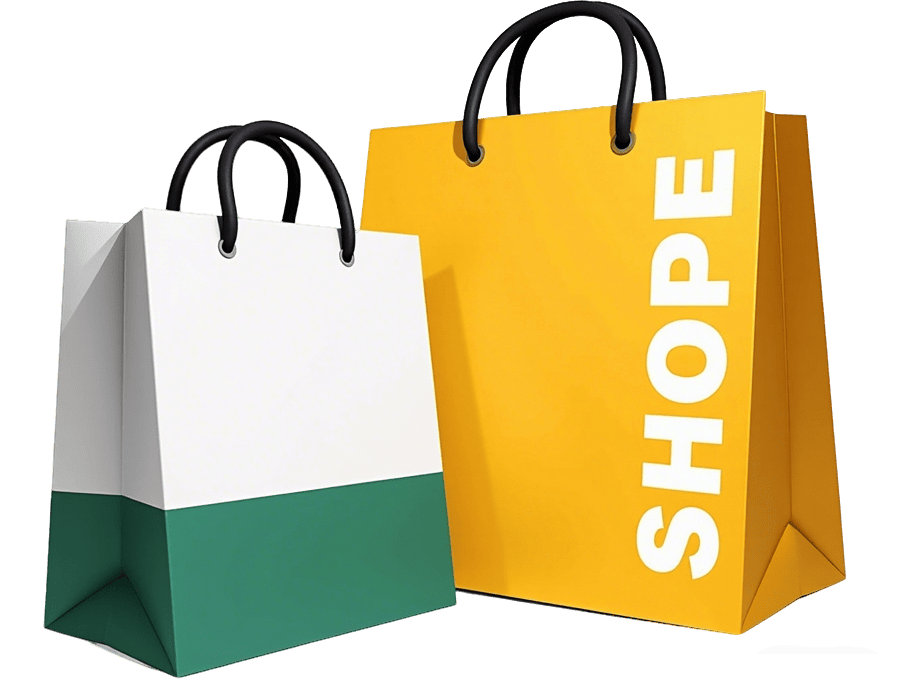
















Заказ индивидуальных упаковочных коробок — это нечто большее, чем просто выбор привлекательного дизайна. Правильная упаковка должна защищать ваш продукт, отражать имидж вашего бренда, соответствовать вашему бюджету и способствовать бесперебойному производству и доставке.
Независимо от того, заказываете ли вы упаковку для розничной торговли, электронной коммерции, косметики, продуктов питания, одежды или сувенирной продукции, если перед размещением заказа задать правильные вопросы, это поможет вам сэкономить время и средства, а также избежать ненужных доработок в дальнейшем.
В этом руководстве мы рассмотрим наиболее важные моменты, которые следует учитывать при заказе индивидуальных упаковочных коробок для вашего бизнеса.
1. Начните с определения назначения упаковки
Прежде чем обсуждать материалы, печать или виды отделки, сначала определите, какую функцию должна выполнять упаковка.
Задайте себе вопрос:
- Эта коробка предназначена в первую очередь для защиты товара, демонстрации на полке, упаковки в подарок, отправки по почте или для всех этих целей?
- Увидят ли покупатели его впервые в розничном магазине, во время распаковки или во время транспортировки?
- Должна ли упаковка выглядеть престижно, минималистично, экологично или быть максимально практичной?
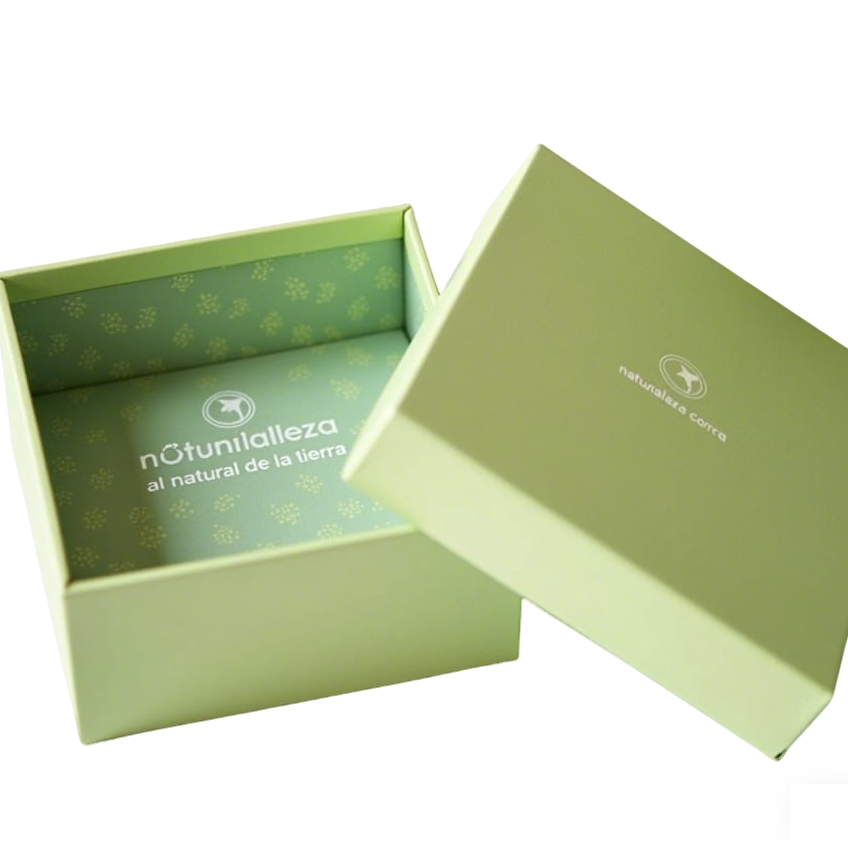
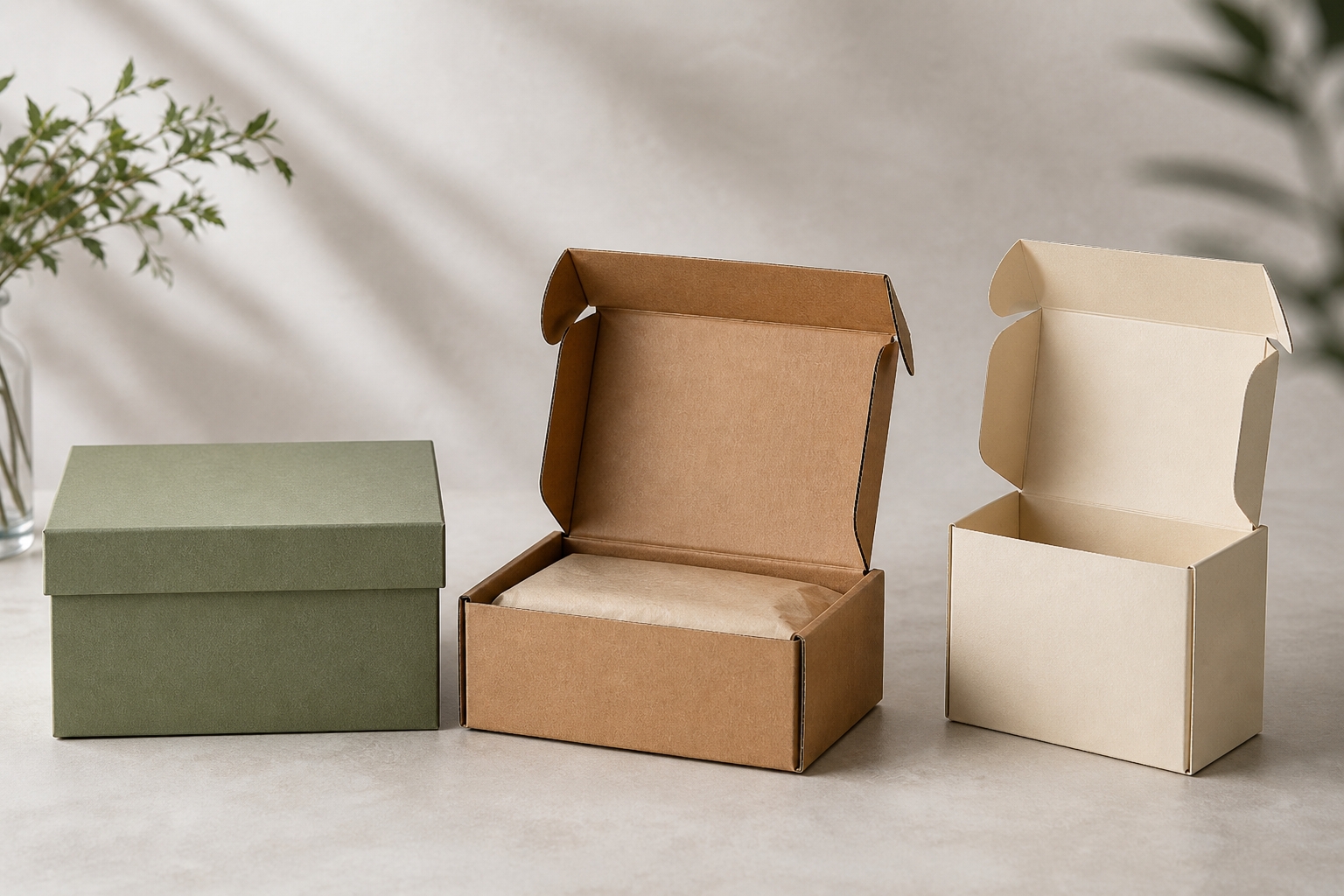
Например, жесткая коробка может подойти для подарков премиум-класса, ювелирных изделий или косметики, тогда как гофрокоробка лучше подходит для доставки товаров, приобретенных через интернет-магазины, и обеспечения их защиты. Складная картонная коробка может хорошо подойти для легких товаров розничной торговли, где важны как брендинг, так и контроль затрат.
Когда цель ясна, каждое последующее решение даётся легче.
2. Выберите подходящий тип коробки
Не каждая упаковочная коробка подходит для любого товара. Конструкция имеет не меньшее значение, чем внешний вид.
К числу наиболее распространенных вариантов относятся:
- Жесткие коробки для создания роскошного впечатления и формирования высокой воспринимаемой ценности
- Картонные коробки для легких товаров розничной торговли
- Гофрокоробки для защиты при транспортировке и использования в электронной коммерции
- Коробки нестандартной формы для более оригинального представления бренда
- Коробки типа «Мейлер» для прямой доставки потребителю
Выбор подходящего стиля зависит от веса, хрупкости и габаритов вашего товара, а также от того, какой опыт вы хотите создать для покупателя.
Красивая упаковка, которая не защищает продукт, — это проблема. В то же время прочная коробка, лишенная визуальной привлекательности, может не помочь вашему бренду выделиться. Идеальная упаковка сочетает в себе как функциональность, так и эстетику.
3. Внимательно проверьте размеры изделия
Размер коробки — один из важнейших факторов при изготовлении упаковки на заказ.
Вам необходимо подготовить:
- Длина, ширина и высота изделия
- Независимо от того, является ли товар хрупким, тяжёлым или имеет нестандартную форму
- Нужны ли вставки
- Упакованы ли несколько предметов вместе
- Нужно ли дополнительное место для бумажных салфеток, инструкций или аксессуаров
Слишком тесная коробка может повредить товар или затруднить сборку. Слишком большая коробка может увеличить стоимость доставки и ухудшить внешний вид товара.
Если для вашего изделия требуется вкладыш, лоток или перегородка, это следует уточнить на раннем этапе процесса, чтобы конструкция была правильно спроектирована с самого начала.
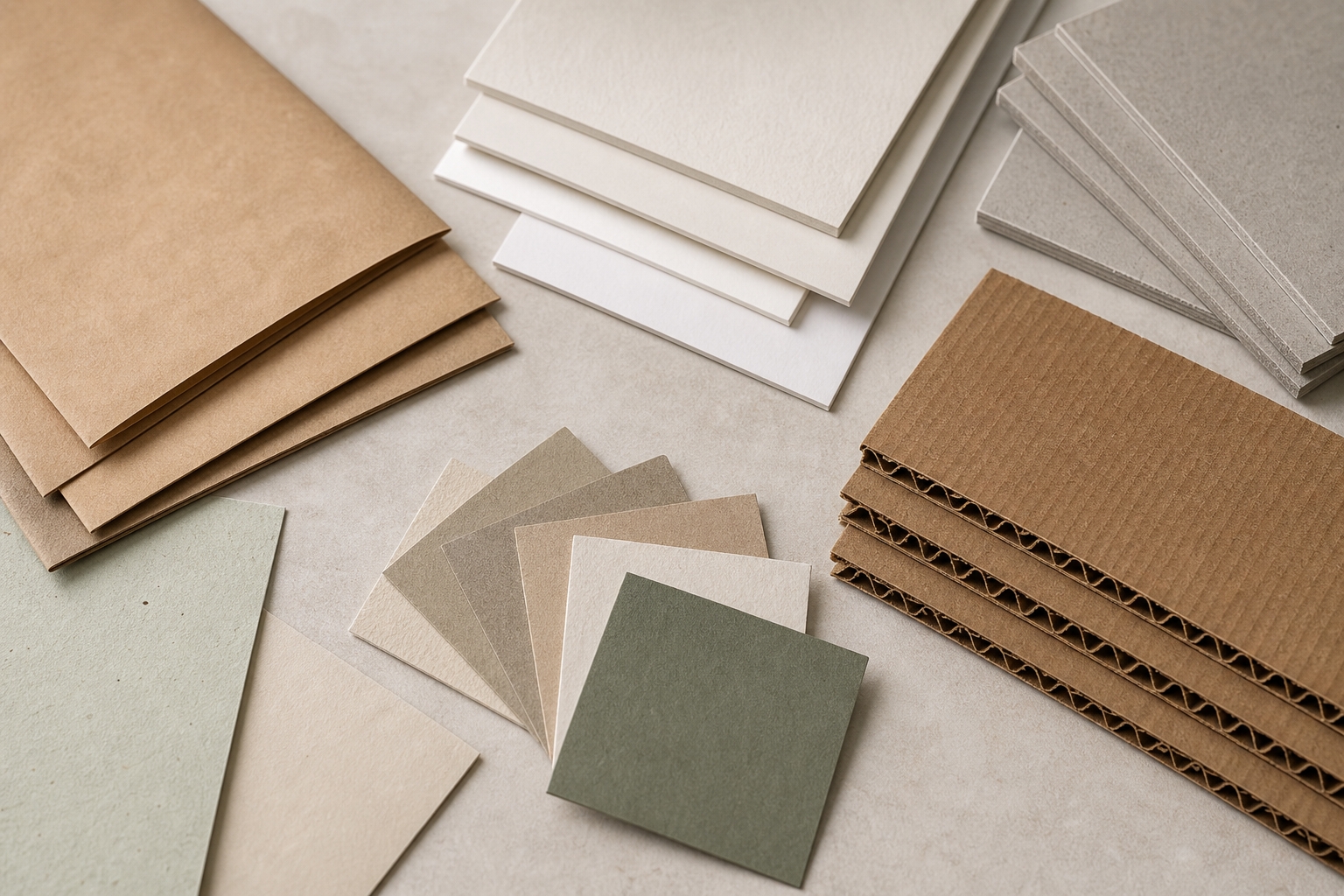
4. Выбор материалов с учетом требований к продукту и бренду
Материал влияет на долговечность, внешний вид, стоимость и экологичность.
К распространенным упаковочным материалам относятся:
- Картон с покрытием для качественной печати и презентации товаров в розничной торговле
- Крафт-бумага для более естественного и экологичного вида
- Гофрированный картон для обеспечения прочности и защиты при транспортировке
- Серый картон для изготовления жестких коробок
- Специализированные виды бумаги для создания высококачественной отделки и приятных тактильных ощущений
При выборе материалов следует учитывать следующее:
- Вес изделия
- Требуемая прочность
- Производительность печати
- Ощущение на ощупь
- Условия доставки
- Цели в области устойчивого развития
Материал, выглядящий дорого, не всегда является правильным выбором, если коробка должна выдержать транспортировку на большие расстояния. Точно так же самый дешёвый материал не всегда является наиболее экономически выгодным, если он приводит к повреждениям или ухудшает восприятие бренда.
5. Заранее продумайте вопросы печати и послепечатной обработки
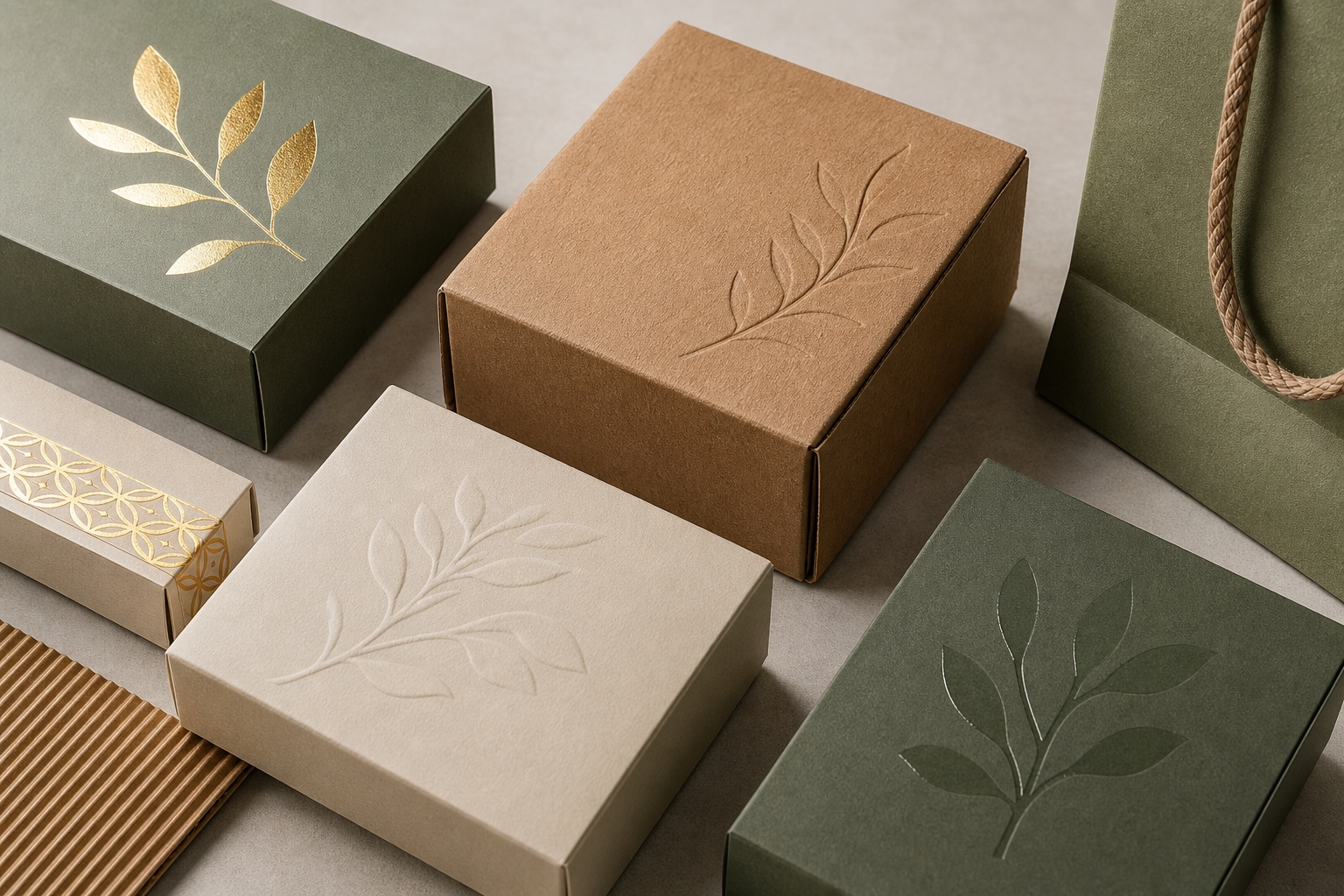
Печать и послепечатная обработка оказывают значительное влияние на то, как воспринимается ваша упаковка.
Возможно, вам пригодится:
- Полноцветная печать в цветовом пространстве CMYK
- Прямые цвета Pantone
- Матовое или глянцевое ламинирование
- Горячее тиснение фольгой
- Тиснение или углубление
- УФ-покрытие
- Поверхности с мягким на ощупь покрытием
Эти детали могут придать упаковке более престижный вид, но при этом они также влияют на стоимость, сроки изготовления и сложность производства.
Перед окончательной доработкой макета убедитесь, что:
- Размещение логотипа
- Материалы в прессе
- Требования к печати на внешней и внутренней поверхности
- Ожидания в отношении фирменных цветов
- Варианты отделки
- Следует ли при разработке дизайна отдавать приоритет визуальному эффекту или экономической эффективности
Четкое взаимодействие на данном этапе помогает избежать споров по поводу цветовой гаммы, проблем с макетом и задержек при изготовлении образцов.
6. Ознакомьтесь с требованиями к минимальному объему заказа (MOQ) и бюджетными ожиданиями
MOQ, или минимальный объем заказа, является ключевым фактором при заказе упаковочных коробок по индивидуальному заказу.
Многие бренды, особенно начинающие компании, хотят протестировать упаковку, прежде чем размещать крупный заказ. Именно поэтому важно сотрудничать с поставщиком, который сможет понятно объяснить, что такое минимальный объем заказа (MOQ), и предложить практичные решения с учетом этапа развития вашего бизнеса.
Окончательная стоимость, как правило, зависит от следующих факторов:
- Размер коробки
- Сложность структуры
- Выбор материала
- Метод печати
- Детали отделки
- Ввести требования
- Количество в заказе
- Способ упаковки и доставки
В большинстве случаев по мере увеличения объема заказа цена за единицу становится более конкурентоспособной. Тем не менее, меньший минимальный объем заказа (MOQ) по-прежнему может быть выгодным, поскольку он снижает риски и позволяет протестировать рынок перед расширением производства.
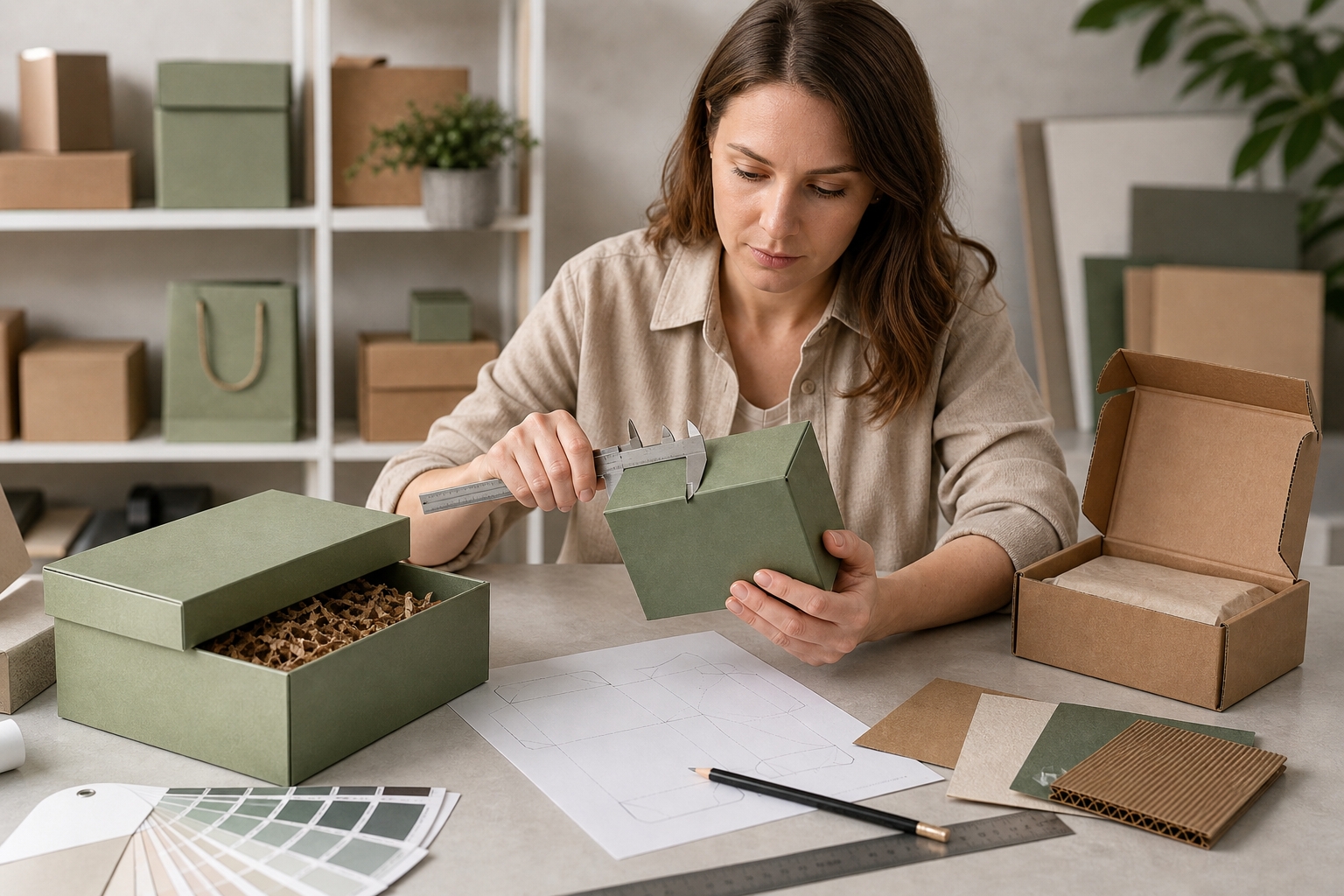
7. Поинтересуйтесь образцами перед запуском серийного производства
Никогда не пренебрегайте отбором проб.
Пример поможет вам проверить:
- Структура
- Точность размеров
- Текстура материала
- Макет для печати
- Цветовой эффект
- Вставка по размеру
- Общее впечатление от использования
Поставщик может предложить обычный конструкционный образец, цифровой образец или предсерийный образец, соответствующий серийному производству. Каждый из них служит своей цели.
Изготовление образцов особенно важно в тех случаях, когда ваша упаковка включает нестандартные вкладыши, высококачественную отделку, необычные формы или подчиняется строгим требованиям к брендингу. Небольшие затраты на изготовление образцов могут помочь избежать дорогостоящих ошибок при серийном производстве.
8. Анализ сроков выполнения заказов и планирование поставок
Срок изготовления — это не только само производство. Он также включает в себя согласование макетов, утверждение образцов, внесение изменений, серийное производство, упаковку и отгрузку.
Перед оформлением заказа уточните следующие моменты:
- Примерный срок выполнения заказа
- Срок изготовления при серийном производстве
- Требования к сборке упаковки
- Способы доставки
- Сроки доставки до места назначения
- Риски в пиковый сезон
Если вы планируете запуск нового продукта, праздничную рекламную акцию или участие в выставке, предусмотрите дополнительное время. Задержки часто возникают из-за неполных технических заданий или слишком длительного процесса согласования.
Лучшие результаты, как правило, достигаются благодаря заблаговременному планированию, а не спешке на заключительном этапе.
9. Учитывайте вопросы устойчивого развития и соблюдения нормативных требований
Сегодня всё больше брендов стремятся к тому, чтобы их упаковка была одновременно привлекательной и экологичной.
Если для вашего бизнеса важна устойчивость, обратите внимание на следующее:
- Материалы, пригодные для вторичной переработки
- Варианты бумаги с сертификатом FSC
- Снижение содержания пластика
- Минималистичный конструктивный дизайн
- Эффективная упаковка для сокращения объема отходов при доставке
- По возможности — варианты печати на водной основе или с учетом экологических требований
В некоторых отраслях вам также может потребоваться помощь в обеспечении соответствия нормативным требованиям, например в отношении материалов, безопасных для контакта с пищевыми продуктами, или других требований, характерных для конкретного рынка.
Экологичная упаковка должна выглядеть экологичной не только на маркетинговых фотографиях. Она также должна быть обоснованной с точки зрения выбора материалов, производства и практического применения.
10. Выбирайте поставщика, который четко излагает свои мысли
Хороший поставщик упаковки не просто производит коробки. Он помогает вам избежать ошибок.
Эффективность коммуникации часто проявляется в том, как они ведут первые переговоры:
- Они задают правильные вопросы?
- Они понятно объясняют варианты конструкции и материалов?
- Отвечают ли они профессионально и своевременно?
- Помогают ли они улучшить ваш проект с точки зрения технологичности?
- Предлагают ли они реалистичные сроки вместо расплывчатых обещаний?
При заказе упаковочных коробок на заказ эффективность коммуникации может быть не менее важна, чем цена. Поставщик, с которым налажена хорошая коммуникация, может сократить количество доработок, повысить точность и сделать весь процесс более эффективным.
11. Ориентируйтесь на долгосрочную выгоду, а не только на самую низкую цену
Сравнивать цены — это естественно, но самый дешевый вариант не всегда оказывается лучшим.
Надежный партнер в сфере упаковки должен помочь вам добиться следующего:
- Стабильное качество
- Стабильное производство
- Повышение эффективности упаковки
- Разумные сроки выполнения заказов
- Гибкая поддержка по мере роста вашего бренда
Цель заключается не просто в том, чтобы купить коробки. Цель — создать упаковку, которая будет подходить для вашего продукта, поддерживать имидж вашего бренда и оставаться практичной для будущих заказов.
Заключительные мысли
При заказе упаковочных коробок на заказ оптимальные решения принимаются на основе сбалансированного учета таких факторов, как дизайн, функциональность, стоимость, сроки и надежность поставщика.
Если вы подготовите четкую информацию о продукте, четко определите цели упаковки и будете сотрудничать с опытным производителем, весь процесс пройдет гораздо гладче и станет более предсказуемым.
В компании H2 Packaging мы помогаем брендам разрабатывать индивидуальные упаковочные решения, предоставляя практические рекомендации по конструкции, советы по выбору материалов, гибкую поддержку при оформлении заказов и обеспечивая эффективное взаимодействие на всех этапах процесса.
Если вы планируете новый проект по разработке упаковки, не стесняйтесь обращаться к нам за консультацией.