
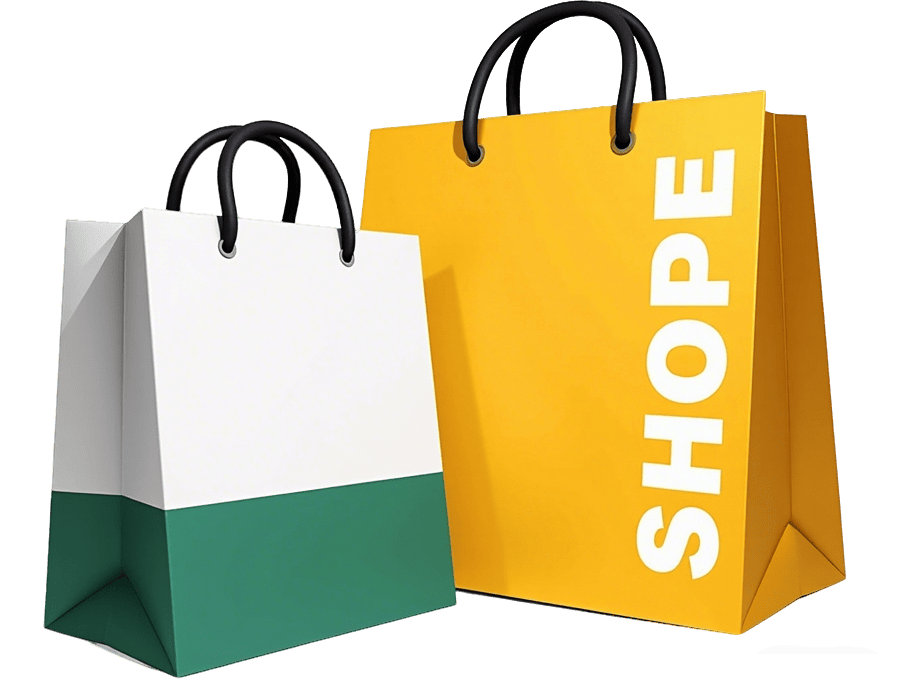
















Encargar cajas de embalaje personalizadas es mucho más que elegir un diseño atractivo. El embalaje adecuado debe proteger tu producto, reflejar tu marca, ajustarse a tu presupuesto y facilitar la producción y el envío.
Tanto si busca envases para el comercio minorista, el comercio electrónico, la cosmética, la alimentación, la confección o los artículos de regalo, plantear las preguntas adecuadas antes de realizar un pedido puede ahorrarle tiempo, dinero y revisiones innecesarias más adelante.
En esta guía, repasaremos los aspectos más importantes que debes tener en cuenta a la hora de encargar cajas de embalaje personalizadas para tu negocio.
1. Empieza por el propósito del envase
Antes de hablar de materiales, impresión o acabados, hay que definir primero cuál es la función del embalaje.
Pregúntate:
- ¿La caja se utiliza principalmente para proteger el producto, para exponerlo en las estanterías, para regalarlo, para enviarlo por correo o para todo lo anterior?
- ¿Lo verán los clientes por primera vez en una tienda, al desembalarlo o durante el transporte?
- ¿El embalaje debe transmitir una sensación de alta calidad, minimalismo, respeto por el medio ambiente o gran practicidad?
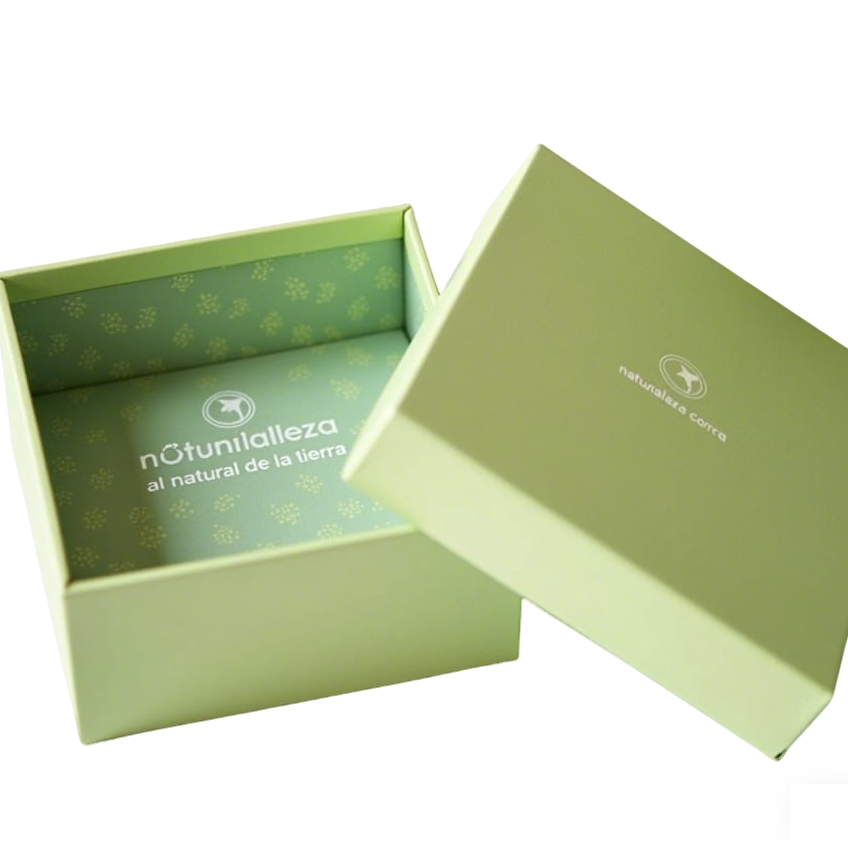
Por ejemplo, una caja rígida puede ser adecuada para regalos de alta gama, joyas o cosméticos, mientras que una caja de cartón ondulado puede resultar más adecuada para los envíos de comercio electrónico y la protección de los productos. Una caja plegable de cartón puede ser una buena opción para artículos ligeros de venta al por menor en los que tanto la imagen de marca como el control de costes son importantes.
Cuando el objetivo está claro, todas las decisiones posteriores resultan más fáciles.
2. Elige el tipo de caja adecuado
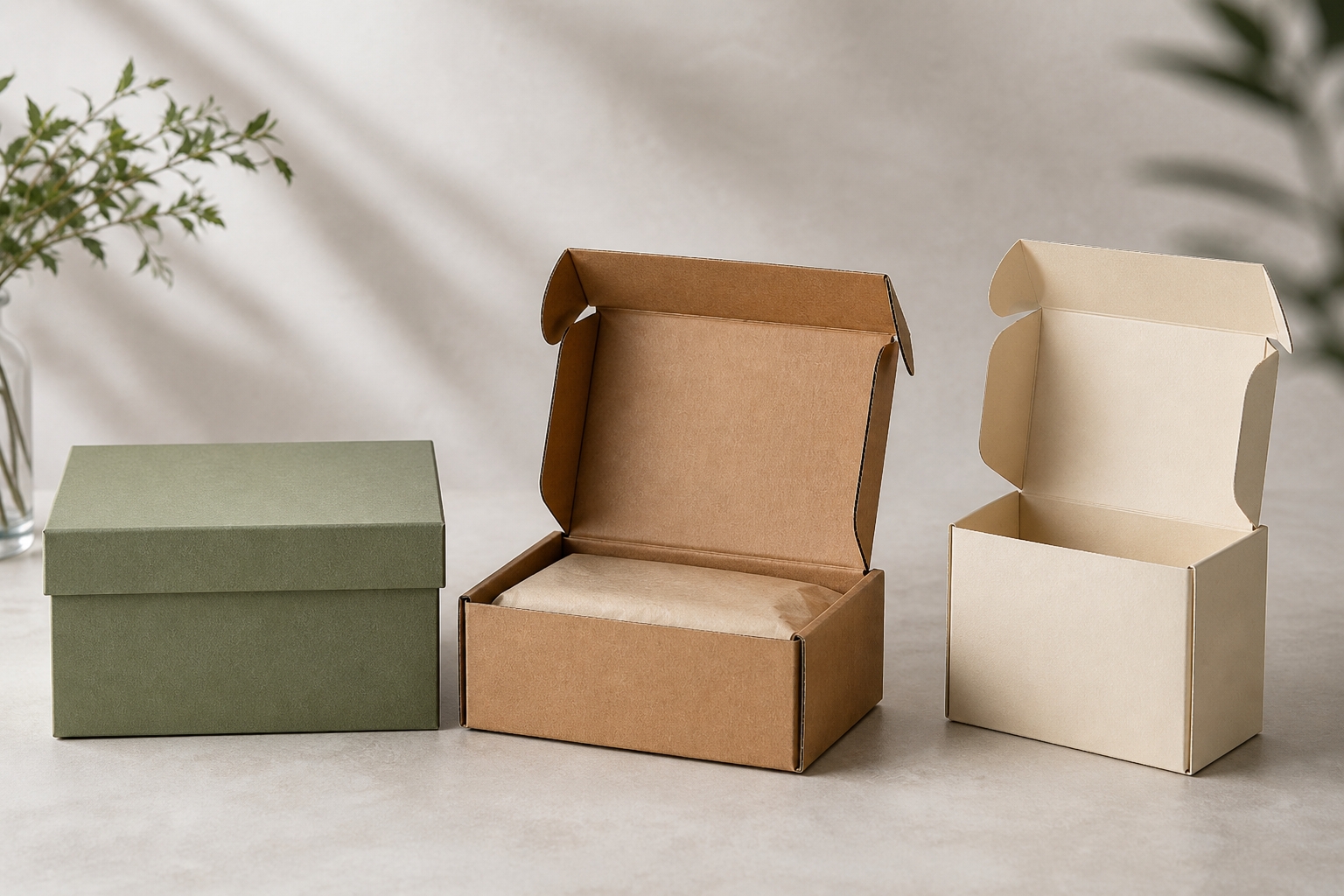
No todas las cajas de embalaje son adecuadas para todos los productos. La estructura es tan importante como el aspecto.
Algunas opciones habituales son:
- Cajas rígidas para una presentación de lujo y una percepción de gran valor
- Cajas de cartón para productos ligeros de venta al por menor
- Cajas de cartón ondulado para proteger los envíos y para su uso en el comercio electrónico
- Cajas con formas especiales para una presentación de marca más original
- Cajas tipo Mailer para la entrega directa al consumidor
El estilo adecuado depende del peso, la fragilidad y las dimensiones de tu producto, así como de la experiencia que quieras ofrecer al cliente.
Una estructura bonita que no protege el producto es un problema. Al mismo tiempo, una caja resistente pero sin atractivo visual puede que no ayude a que tu marca destaque. El mejor embalaje es aquel que logra un equilibrio entre funcionalidad y presentación.
3. Comprueba bien las dimensiones del producto
El tamaño de la caja es uno de los factores más importantes en la fabricación de embalajes a medida.
Debes preparar:
- Longitud, anchura y altura del producto
- Tanto si el producto es frágil, pesado o tiene una forma irregular
- Si se necesitan insertos
- Si hay varios artículos empaquetados juntos
- Tanto si se necesita espacio adicional para papel de seda, instrucciones o accesorios
Una caja demasiado pequeña puede dañar el producto o dificultar el montaje. Una caja demasiado grande puede aumentar los gastos de envío y reducir la calidad de la presentación.
Si su producto requiere un inserto, una bandeja o un separador, es necesario confirmarlo en una fase temprana del proceso para que la estructura se pueda diseñar correctamente desde el principio.
4. Seleccionar los materiales en función de las necesidades del producto y la marca
El material influye en la durabilidad, el aspecto, el coste y la sostenibilidad.
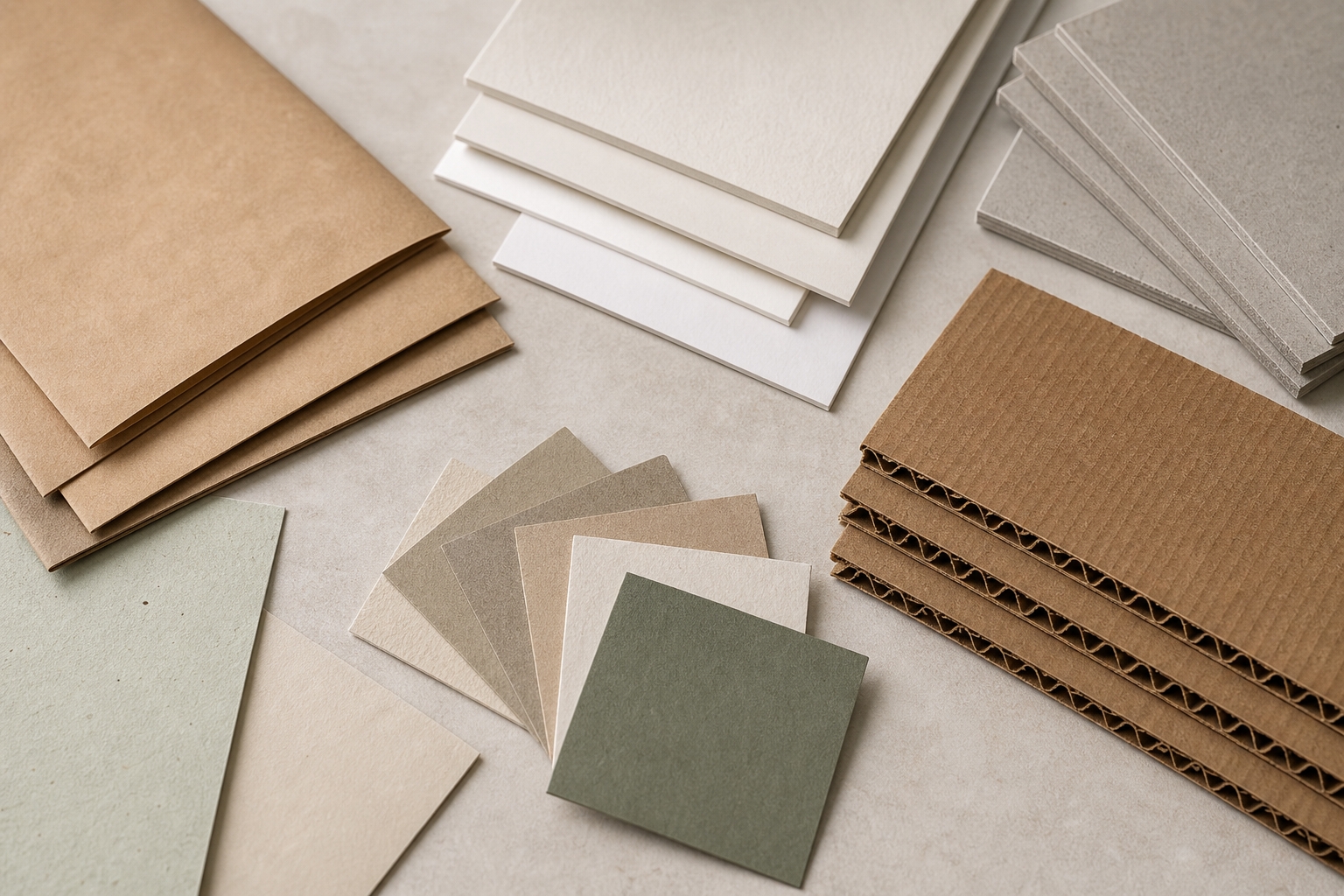
Entre los materiales de embalaje más comunes se encuentran:
- Cartón estucado para una impresión nítida y una presentación atractiva en el punto de venta
- Papel kraft para un aspecto más natural y respetuoso con el medio ambiente
- Cartón ondulado para mayor resistencia y protección durante el transporte
- Cartón gris para la fabricación de cajas rígidas
- Papeles especiales para acabados de alta calidad y un tacto agradable
A la hora de elegir los materiales, ten en cuenta lo siguiente:
- Peso del producto
- Fuerza necesaria
- Rendimiento de impresión
- Sensación al tacto
- Condiciones de envío
- Objetivos de sostenibilidad
Un material de aspecto lujoso no siempre es la opción más adecuada si la caja debe soportar un transporte de larga distancia. Del mismo modo, el material más barato no siempre es el más rentable si provoca daños o debilita la percepción de la marca.
5. Piensa con antelación en la impresión y el acabado
La impresión y el acabado influyen considerablemente en la percepción que se tiene de tu embalaje.
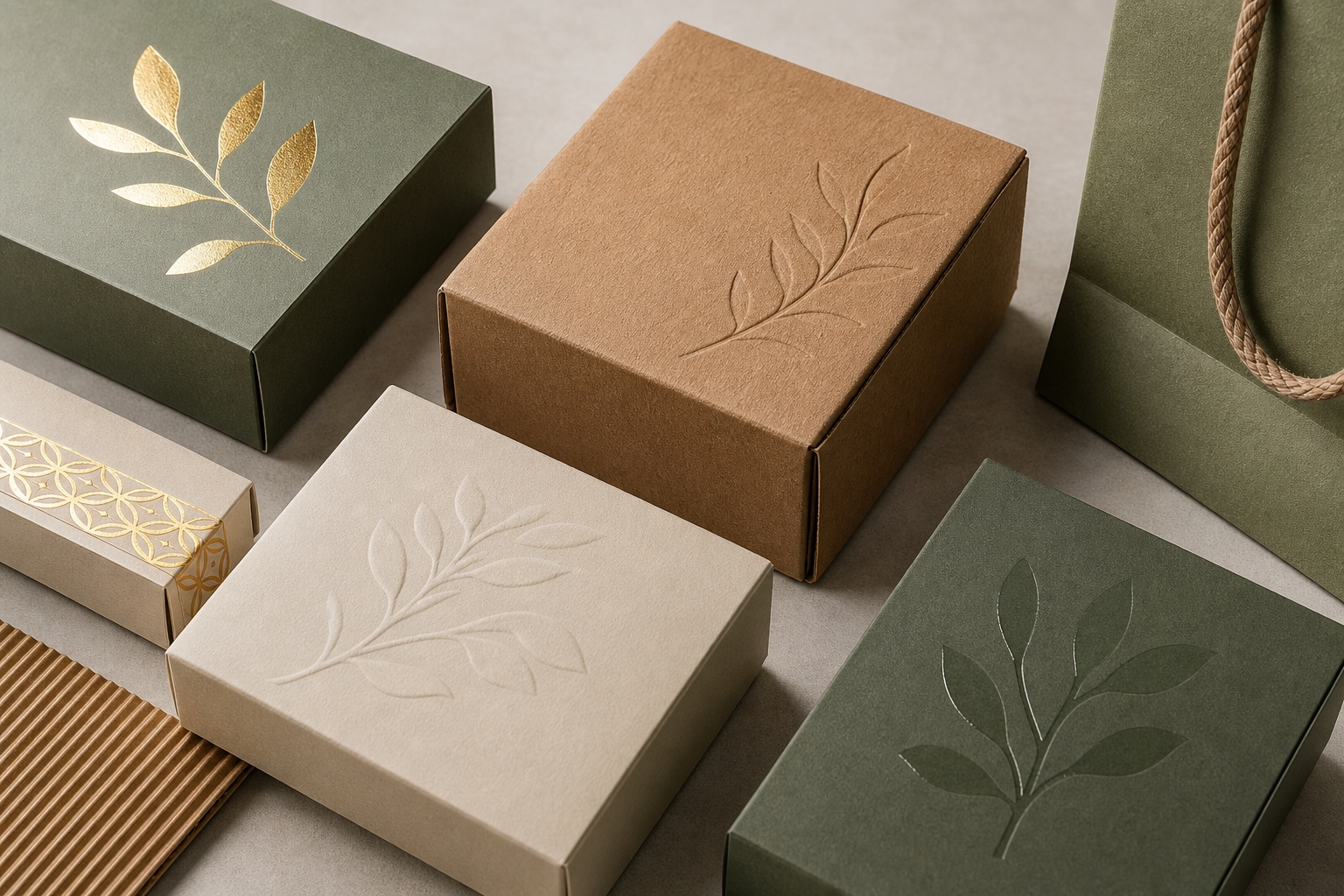
Quizás te interese utilizar:
- Impresión a todo color en CMYK
- Colores planos Pantone
- Laminado mate o brillante
- Estampado en caliente
- Relieve o grabado en hueco
- Barniz UV
- Acabados suaves al tacto
Estos detalles pueden hacer que el embalaje resulte más exclusivo, pero también influyen en el coste, los plazos de entrega y la complejidad de la producción.
Antes de dar por terminada la maquetación, comprueba lo siguiente:
- Ubicación del logotipo
- Cobertura impresa
- Requisitos de impresión para exteriores e interiores
- Expectativas respecto al color de la marca
- Combinaciones de acabados
- Si el diseño debe dar prioridad al impacto visual o a la rentabilidad
Una comunicación clara en esta fase ayuda a evitar discrepancias en los colores, problemas de maquetación y retrasos durante la fase de muestras.
6. Comprender las expectativas en cuanto al pedido mínimo y al presupuesto
El MOQ, o cantidad mínima de pedido, es un factor clave a la hora de encargar cajas de embalaje personalizadas.
Muchas marcas, sobre todo las empresas más jóvenes, quieren probar el embalaje antes de comprometerse con un pedido grande. Por eso es importante trabajar con un proveedor que pueda explicar claramente el pedido mínimo y ofrecer soluciones prácticas adaptadas a la fase en la que se encuentre tu negocio.
El coste final suele depender de:
- Tamaño de la caja
- Complejidad estructural
- Elección de materiales
- Método de impresión
- Detalles de acabado
- Requisitos de inserción
- Cantidad del pedido
- Método de embalaje y envío
En la mayoría de los casos, el precio unitario se vuelve más competitivo a medida que aumenta la cantidad. Sin embargo, un pedido mínimo más bajo puede seguir siendo útil, ya que reduce el riesgo y te permite probar el mercado antes de ampliar la producción.
7. Solicita muestras antes de la producción en serie
Nunca pases por alto el muestreo.
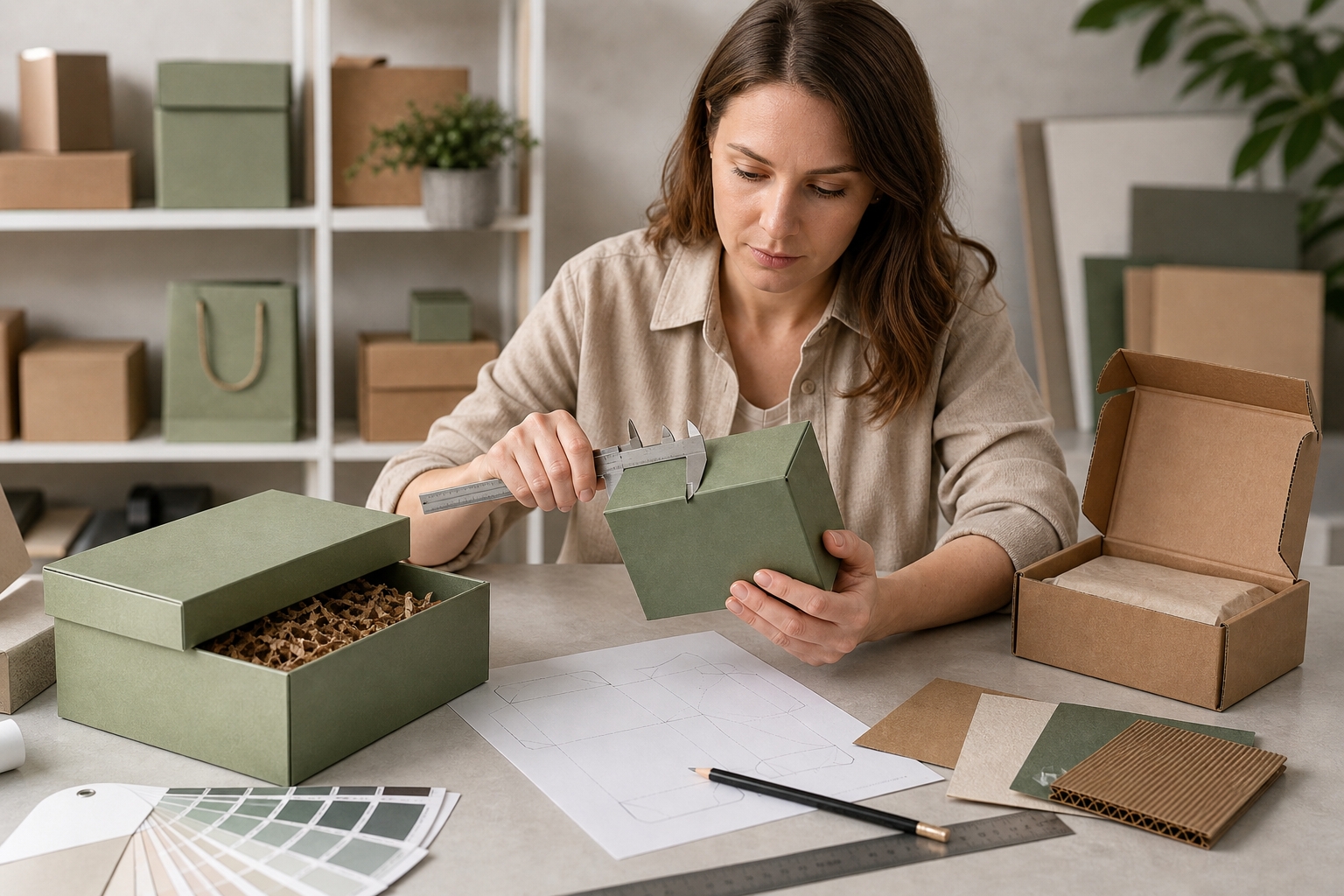
Un ejemplo te ayuda a comprobar:
- Estructura
- Precisión en las medidas
- Tacto del material
- Diseño de impresión
- Efecto de color
- Ajuste de la inserción
- Experiencia general del usuario
Un proveedor puede ofrecer una muestra estructural básica, una muestra digital o una muestra de preproducción con el mismo acabado que el producto final. Cada una de ellas tiene una finalidad distinta.
La creación de muestras es especialmente importante cuando el embalaje incluye insertos personalizados, acabados de alta calidad, formas poco habituales o requisitos de marca estrictos. Una pequeña inversión en la creación de muestras puede evitar costosos errores en la producción a gran escala.
8. Revisar los plazos de entrega y la planificación de los envíos
El tiempo de producción no se limita únicamente a la fabricación. También incluye la confirmación de los diseños, la aprobación de las muestras, las revisiones, la producción en serie, el embalaje y el envío.
Antes de realizar un pedido, aclare lo siguiente:
- Plazo de entrega de las muestras
- Plazo de entrega en la producción en serie
- Requisitos de montaje del embalaje
- Formas de envío
- Plazos de entrega en tu destino
- Riesgos en temporada alta
Si estás planeando el lanzamiento de un producto, una promoción navideña o una feria comercial, calcula un margen de tiempo adicional. A menudo se producen retrasos cuando las especificaciones están incompletas o las aprobaciones tardan demasiado.
Los mejores resultados suelen obtenerse planificando con antelación, en lugar de precipitarse en la fase final.
9. Ten en cuenta la sostenibilidad y el cumplimiento normativo
Hoy en día, cada vez más marcas buscan envases que sean a la vez atractivos y respetuosos con el medio ambiente.
Si la sostenibilidad es importante para tu empresa, ten en cuenta lo siguiente:
- Materiales reciclables
- Opciones de papel con certificación FSC
- Menor contenido de plástico
- Diseño estructural minimalista
- Embalaje eficiente para reducir los residuos generados por el envío
- Opciones de impresión al agua o ecológicas, cuando sea posible
En algunos sectores, es posible que también necesite asistencia en materia de cumplimiento normativo, como materiales aptos para el contacto con alimentos u otros requisitos específicos del mercado.
Los envases ecológicos no solo deben parecer sostenibles en las fotos de marketing. También deben ser adecuados en cuanto a la elección de los materiales, la producción y su uso en la vida real.
10. Elige un proveedor que se comunique con claridad
Un buen proveedor de embalajes no se limita a fabricar cajas. Te ayuda a evitar errores.
Una comunicación eficaz suele reflejarse en la forma en que gestionan las conversaciones iniciales:
- ¿Hacen las preguntas adecuadas?
- ¿Explican con claridad las opciones de estructura y materiales?
- ¿Responden de forma profesional y con rapidez?
- ¿Contribuyen a mejorar tu diseño para facilitar su fabricación?
- ¿Ofrecen plazos realistas en lugar de promesas vagas?
A la hora de encargar cajas de embalaje personalizadas, la comunicación puede ser tan importante como el precio. Un proveedor con buena comunicación puede reducir las revisiones, mejorar la precisión y hacer que todo el proceso sea más eficiente.
11. Busca el valor a largo plazo, no solo el precio más bajo
Es normal comparar presupuestos, pero la opción más barata no siempre es la mejor.
Un socio de confianza en el sector del embalaje debería ayudarte a:
- Calidad constante
- Producción estable
- Mejor rendimiento del embalaje
- Plazos de entrega razonables
- Apoyo flexible a medida que tu marca crece
El objetivo no es simplemente comprar cajas. El objetivo es crear un embalaje que se adapte a su producto, refuerce la imagen de su marca y resulte práctico para futuros pedidos.
Reflexiones finales
A la hora de encargar cajas de embalaje personalizadas, las mejores decisiones se toman cuando se logra un equilibrio entre el diseño, la funcionalidad, el coste, los plazos y la fiabilidad del proveedor.
Si elaboras una información clara sobre el producto, tienes claros tus objetivos en materia de envasado y colaboras con un fabricante con experiencia, el proceso resultará mucho más fluido y predecible.
En H2 Packaging, ayudamos a las marcas a desarrollar soluciones de embalaje a medida, ofreciéndoles asesoramiento práctico sobre el diseño, recomendaciones sobre materiales, flexibilidad en la gestión de los pedidos y una comunicación eficaz durante todo el proceso.
Si estás planeando un nuevo proyecto de embalaje, No dude en ponerse en contacto con nosotros para una consulta.